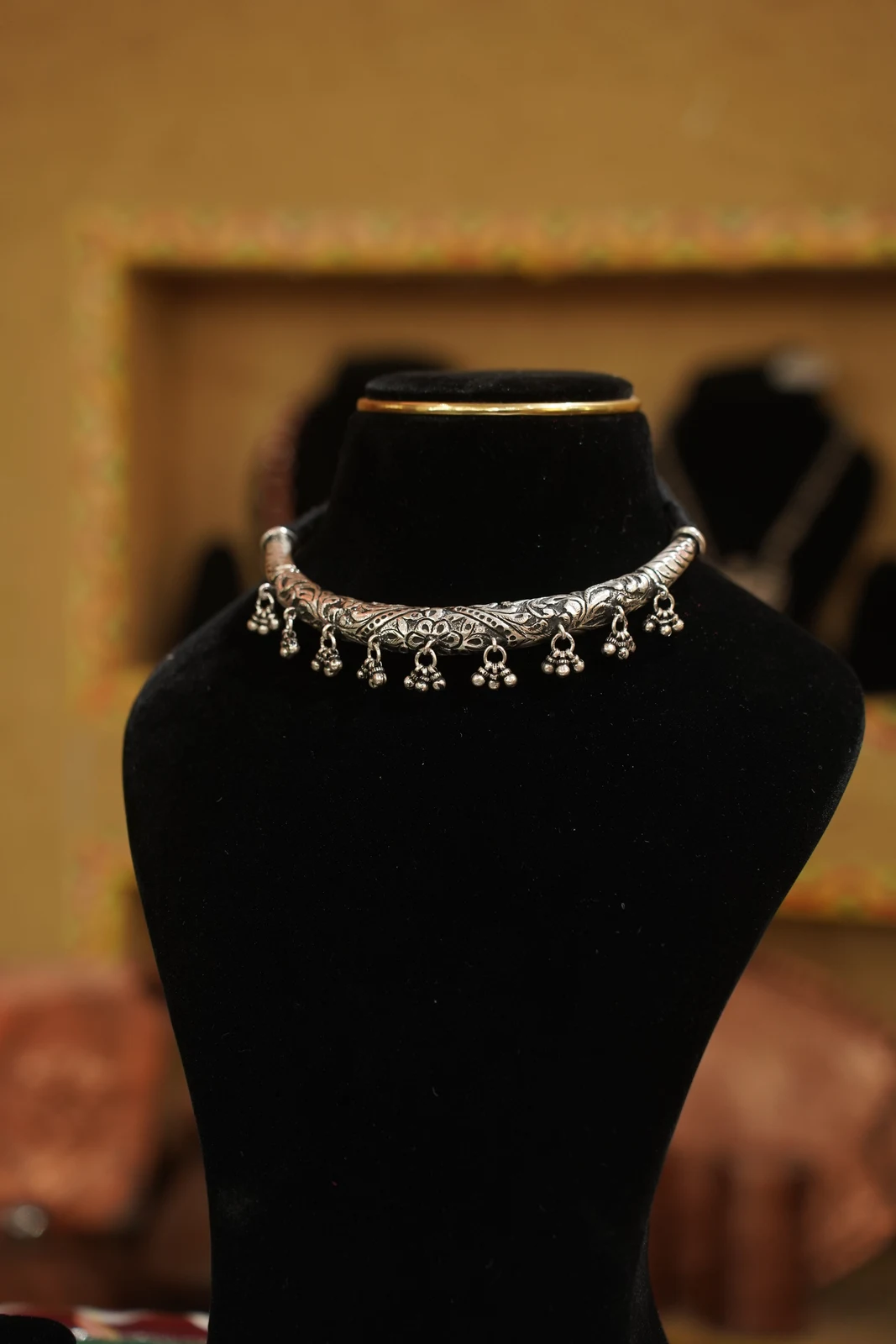
Family jewellery stories are preserved by listening carefully, asking about specific people and occasions, recording uncertainty and obtaining permission for how memories and photographs will be shared.
An old ornament can help a family remember the person who wore it, the occasions she chose it for and the places she called home. Those memories survive best when we ask thoughtful questions, keep the original words and let the storyteller decide what may be shared. Preserving grandmother's jewellery stories begins with listening, rather than guessing what a beautiful object must mean.
Daadi and naani, our paternal and maternal grandmothers, may recognise a piece differently from the name we find online. A necklace that looks ceremonial to us might have been worn regularly. A small repair we barely notice might bring back the name of a neighbour, a journey to a market or a conversation about money. The ornament gives us somewhere to begin. The person supplies the context.
For families with roots in Uttarakhand, that conversation can also reconnect younger relatives with Pahadi words, familiar places and ways of dressing they have encountered only in photographs. There is no need to turn every memory into a grand statement about the mountains. A clear account of one woman's experience is valuable on its own.
Let the object open the conversation
Start with one piece, if its owner is comfortable showing it. Place it somewhere stable and well lit, without forcing a clasp or passing a delicate object around. Ask what she calls it. Then wait. The answer may be a local name, a nickname used within the household or simply a description of how it sits on the body.
Let that answer shape the next question. If she mentions a wedding, ask whose wedding it was. If she remembers buying it, ask where she went and who accompanied her. If she says it belonged to someone else, ask what she knows about that person. Follow a detail she offers instead of racing through a prepared list.
You do not need a dramatic beginning. How a necklace was fastened, where earrings were kept or which garment usually accompanied an ornament can tell us about everyday judgement and routine. These details are easy to lose when we ask only whether a piece is old or expensive.
Bring a photograph instead if the object is missing or unsafe to handle. A cropped detail can be useful, but keep the full photograph available. Clothing, people and surroundings may help the storyteller recognise an occasion that a jewellery close-up alone would not reveal.
What a family story can tell us
There are several histories inside a jewellery conversation. There is the object's history: who owned it, what changed and where it travelled. There is the wearer's history: when she chose to wear it and what she felt about it. There is also the history of the account itself: who is speaking now and how they came to know the story.
Keep these strands separate. Someone who saw an ornament being given has a different relationship to that event from someone who heard about it later. Both accounts may be worth preserving, but they should not silently become the same kind of evidence. A family note can say that a detail was remembered directly or passed down from another relative.
The most revealing answer may concern preference. Perhaps the wearer favoured a simpler ornament, found a particular pair uncomfortable or saved something elaborate for occasions she enjoyed. Ask about choice as well as custom. Otherwise, the person can disappear behind the jewellery, reduced to an example of what women supposedly did.
An ornament might bring up pride, affection, difficulty or no strong emotion at all. Its meaning may also have changed over a lifetime. We do not have to smooth those changes into a single sentimental story. A woman who once disliked a heavy necklace and later treasured it has given us something more interesting than an uncomplicated symbol.
Questions that lead to useful detail
Choose a few questions that fit the conversation. Asking all of them in one sitting can feel like an examination. An unhurried ten minutes around one clear memory may be more useful than an hour in which everyone feels pressed to produce a complete family history.
Ask about the first occasion she remembers wearing the piece. What clothes did she choose? Did someone help her put it on? Was she at home before leaving, or already at the gathering? Questions about sequence give a memory room to develop without suggesting the answer.
Ask how the ornament came into her possession. Was it purchased, given, borrowed or inherited? If she knows who made or sold it, record the name as she says it. Do not supply a shop name merely because it seems likely. A partial name with an honest uncertainty is better than a confident mistake.
Ask what practical knowledge she needed to wear it. Was there a particular way to arrange a cord, prevent snagging or balance it with other ornaments? Did she choose a different combination for a long day? Such answers can preserve knowledge that a photograph cannot show.
Ask whether the piece ever changed. A replacement fastening, a missing element or a new backing may explain why it looks different in an older photograph. Avoid implying that a repair ruined it. The change may have made it wearable again or reflect the owner's preference at the time.
Ask who else might remember it. Another relative may recognise a face in a photograph or recall a place name. Introduce that person later, with permission, rather than inviting a roomful of people to interrupt the first account. The aim is to gather distinct memories, not force immediate agreement.
Finally, ask what she would like a younger person to know. She may choose an instruction, a funny detail or a story unrelated to jewellery. Leave space for that turn. The question belongs to her, and the conversation does not have to end where your outline expected.
Recording is a separate decision
Being willing to talk is different from agreeing to be recorded or posted online. Explain whether you hope to keep an audio file for the family, make a written account or share a short video. Ask separately about each use. A private conversation should not become a public brand story simply because it would make a moving reel.
The Oral History Association's best-practice guidance emphasises informed consent and, where possible, a narrator's review before public release. A family project can apply that principle plainly: explain your purpose, agree on what may be kept and show the finished material to the person before sharing it.
If recording is welcome, choose a quiet place and test a short sample. Position the phone without making the storyteller hold it. Check that both voices are audible, then put your attention back on the conversation. Good listening matters more than producing a polished performance.
Allow pauses and breaks. Stop when the speaker asks, and respect a wish to leave a subject alone. Avoid making promises about controlling copies once something has been posted publicly. It is easier to agree on a limited, private use than to recover material from strangers later.
A person can also prefer no recording at all. In that case, ask whether you may write a few notes afterward and read them back. The worth of the conversation does not depend on having footage. Some stories belong in a family's own keeping.
Names, language and translation
Record the ornament's spoken name before searching for a standard spelling. If possible, preserve a short audio example of its pronunciation with permission. Write the language or dialect the speaker identifies, rather than assigning one from where you believe the family originated.
A Hindi or English explanation can sit beside the original term. It need not replace it. Translating a word into a broad category such as necklace helps a new reader understand its position on the body, but may lose something about its particular form or local use.
When two relatives use different names, record both and identify the speakers. A disagreement is not automatically an error. It may reflect a difference in generation, place, household vocabulary or the objects each person has in mind. Compare their descriptions before deciding they are discussing exactly the same ornament.
Keep the full meaning of a translated answer, including uncertainty. If someone says she thinks a piece came from a particular town, the English version should not state that origin as a fact. Avoid polishing an elder's words into the formal language of a museum label. A readable translation can still sound like the person who spoke.
Listen without turning every memory golden
Affection for our grandmothers can make us want every story to be beautiful. Yet a useful account may include jewellery that was sold, a gift that carried pressure, an ornament that hurt to wear or an occasion the speaker would rather forget. Listen without asking her to convert those experiences into a lesson about sacrifice.
Nor should a family's lack of inherited jewellery be treated as a cultural failure. Possessions can be lost, exchanged, divided or left behind for many reasons. Ask about photographs, names and memories with the same respect you would give to an object that remains in a box.
Be careful with questions that contain a judgement. Asking why someone stopped wearing traditional jewellery can sound like an accusation. Asking how her preferences changed leaves more room for an honest answer. She may describe work, comfort, fashion, availability or something entirely different.
Younger family members also have their own relationship with these objects. They can admire a grandmother's ornaments without wanting to dress exactly as she did. A conversation becomes more generous when it allows both generations to have preferences, instead of measuring one against the other.
Leave financial and ownership details private unless the people concerned want to discuss them. A story about belonging does not require the disclosure of a household's valuables. It can be shared through a name, a small visual detail or an account of an occasion without identifying where a piece is stored.
When the family has moved
A change of place is a useful thread to follow, if the storyteller brings it up. Ask what happened to the jewellery when the family moved. Did it come along immediately, remain with a relative or appear later in a parcel? Record what is remembered, without assuming that every move followed the same pattern.
Ask whether wearing habits changed in the new place. An ornament might have suited one wardrobe and needed adjustment with another. A family gathering might have become an opportunity to wear something that otherwise stayed safely at home. These are possibilities to explore, rather than conclusions to place in someone else's mouth.
Photographs from different periods can help the conversation. Put approximate dates beside them before the interview, but let the speaker correct your guesses. Ask who took the photograph and why it was kept. Sometimes the remembered importance lies with the gathering, while the jewellery was simply part of getting dressed.
For relatives who grew up away from Uttarakhand, unfamiliar names need not be a source of embarrassment. Ask how to pronounce them and what the speaker recognises about the form. Learning can begin at any age. An honest question usually opens a better conversation than pretending to know a custom because it belongs to the family's region.
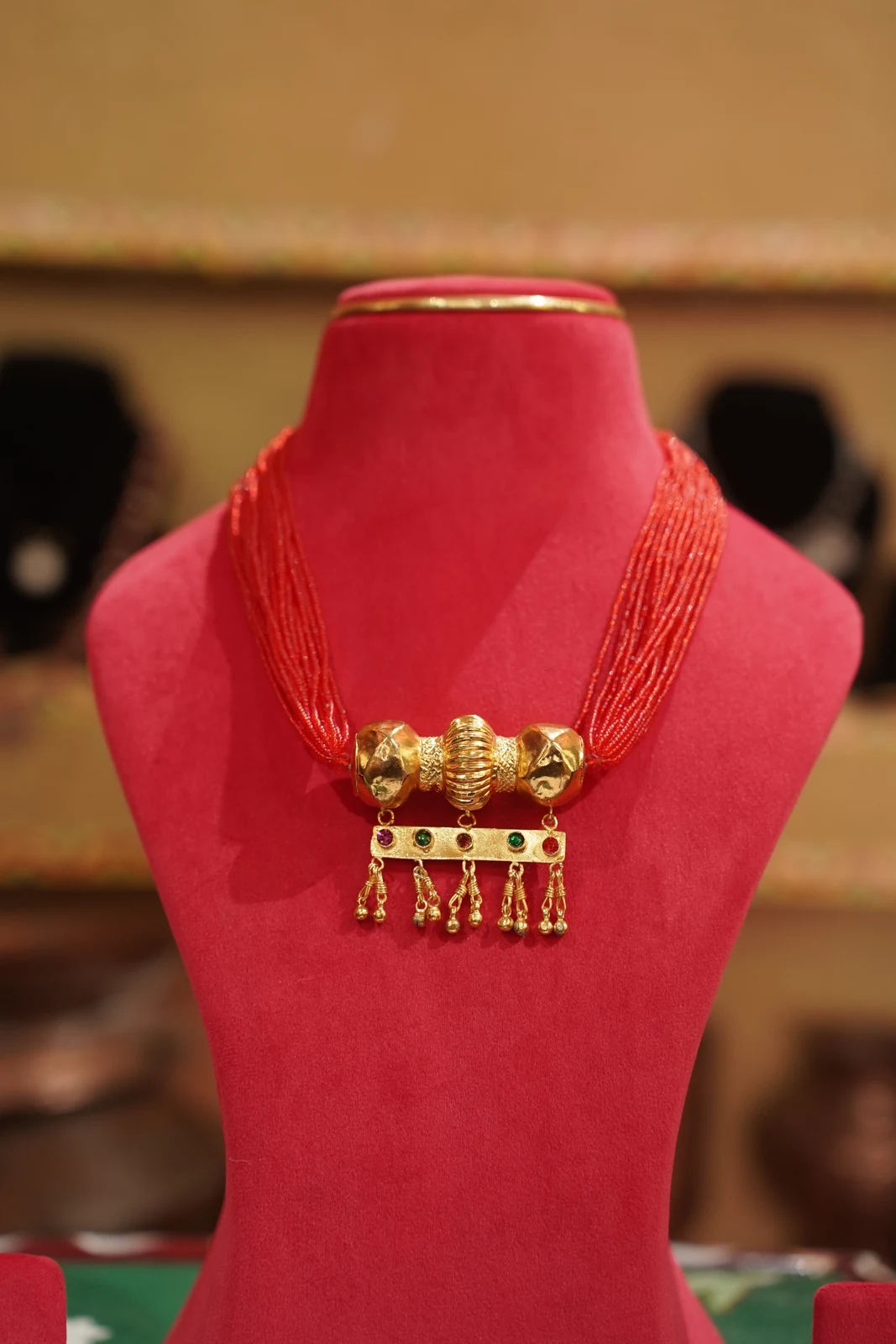
Build a small archive people can use
Keep the original recording and create a separate copy for editing. Give each file a descriptive name with the interview date and a neutral object identifier. A private family folder should be understandable to someone who was not there when it was made, without advertising valuable possessions in its title.
Write a short companion note: who spoke, who asked the questions, which object or photograph prompted the conversation and what sharing permission was agreed. Add an approximate object date only if there is a basis for it. Do not confuse the date of the interview with the age of the ornament.
Make a simple index of topics and recording times. A future listener may want to find the section about a place name or a fastening without listening to the whole interview. The index can remain brief. Its purpose is to make the voice easier to return to, not replace it.
Photograph the piece from several useful angles, where safe: its overall form, reverse, fastening and any mark you can see. Include a size reference in one photograph without pressing it against fragile parts. Describe visible features separately from family claims about age, material or origin.
Keep a second copy of the files in a separate location, and check occasionally that they open. Decide who can access them if the person managing the folder changes. A beautifully organised archive on a forgotten phone is less useful than a modest folder whose purpose two relatives understand.
Let the story continue in its own voice
Return the notes to the storyteller. Ask whether names are right, whether anything feels too private and whether a detail needs another explanation. Keep corrections visible in your working record so a later reader can distinguish the first recollection from the reviewed account.
A younger relative can then contribute their own chapter: learning the name, seeing the object closely or choosing how to wear it with permission. That addition should be labelled as their experience. It does not need to speak on behalf of earlier generations or an entire Pahadi community.
If you share a photograph, write a precise caption about what is actually known. Name the ornament according to the family account, identify the wearer only with permission and separate remembered details from documented ones. Leave room for the speaker's humour and practical judgement, not only the emotion an audience expects.
Daadi-naani ke gehno ki kahani can remain a quiet family conversation. It can also grow into a carefully approved story others learn from. Either way, the most valuable step is the same: give the person time to tell us what the ornament meant in her life, and preserve the answer without making it more certain or more sentimental than it was.
Explore the current Hansuli jewellery collection
Ask Hansuli about a specific design, fit or material description