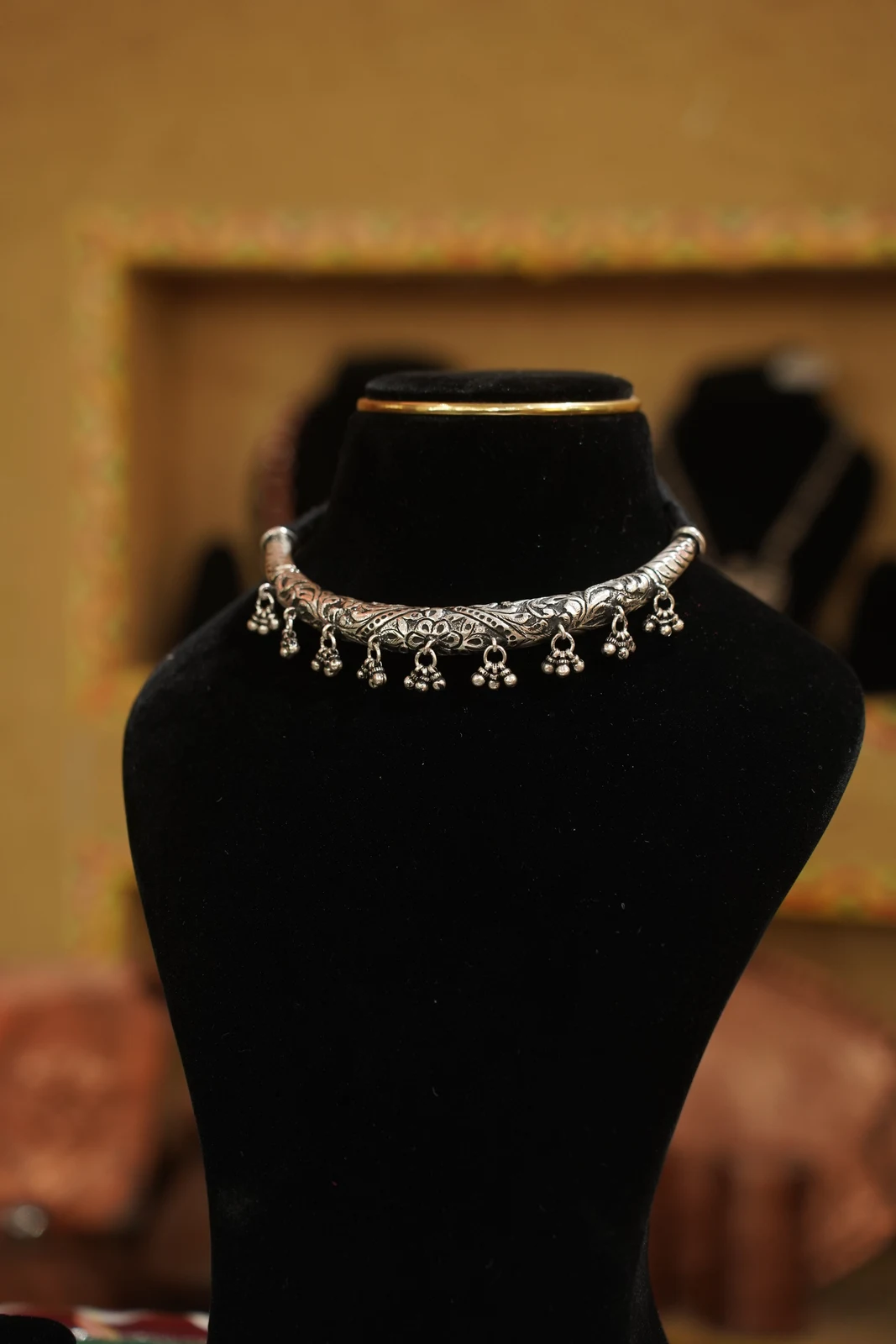
Jewellery becomes an heirloom through its connection with people and experiences. Thoughtful stewardship keeps both the object and its story, with assessed care, clear loan arrangements and a record for its next custodian.
Jewellery becomes an heirloom through the relationships, experiences and decisions attached to it. Its metal may have a measurable value, but that cannot fully describe why a family keeps a particular necklace, remembers its wearer or hesitates before changing a fastening. Caring for an heirloom means protecting the object, recording what is known and making thoughtful choices about its next chapter.
A piece need not be exceptionally old to deserve that attention. Nor must it be expensive, complete or easy to wear. An ornament can matter because someone chose it carefully, wore it with pleasure or entrusted it to another person. The significance lies in that connection, rather than a minimum age or a particular weight of silver.
For people inheriting traditional Pahadi jewellery, stewardship often brings practical questions alongside affection. Should it be worn at a wedding? Is a repair sensible? Who should keep it? What if the next generation wants something different? These questions deserve time, especially when several people feel connected to the same piece.
Recognise the different kinds of value
Begin by separating the questions you are asking. Material assessment concerns what the ornament is made from. Condition assessment concerns whether its parts are stable and safe to use. Family significance concerns what people know and feel about it. An answer in one area cannot settle the others.
A jeweller's account of metal content will not tell you how important an ornament was to its wearer. An affectionate family memory will not confirm its purity. A photograph can show that someone wore a similar-looking piece, but it may not establish that the object now in your possession is unchanged.
Write these distinctions down before decisions become urgent. Record verified information in one place and attributed recollections in another. Leave unknowns open. It is easier to commission an assessment later than to undo a confident but unsupported description that has been copied across family messages.
Avoid comparing relatives' attachment through the price of what they received. One person may treasure a modest pair of earrings more than another treasures a substantial necklace. Gifts do not become equal or unequal simply through their sentimental value, and sentimental value cannot be calculated on demand.
This separation also helps when talking to a professional. You can explain which feature matters to you, then ask whether a proposed repair would affect it. The person doing the work needs more than a request to make the jewellery look new. They need to know what you hope to retain.
Decide what you want to preserve
Before commissioning work, identify the parts of the object that carry meaning for you. It might be the overall silhouette, a particular pendant, an inscription, an unusual clasp or the way the piece appears in a family photograph. Your priorities may differ from another relative's, so discuss them while the object is still unchanged.
Distinguish evidence from preference. A worn edge may indicate use, but it does not by itself reveal who wore the piece or for how long. You can value that surface without inventing a history for it. Likewise, a replacement cord may be recent yet form part of the version you remember.
Consider whether your aim is occasional wearing, everyday use or preservation without wearing. These choices can lead to different recommendations. A fastening that is acceptable for careful storage might not be suitable for a crowded celebration. Explain the intended use during assessment rather than assuming one repair will cover everything.
Take clear photographs before anyone alters the ornament. Include the reverse and all visible attachments. Store the photographs with a date and a brief condition note. If a part is already missing or loose, record that now, so there is no later confusion about when the change occurred.
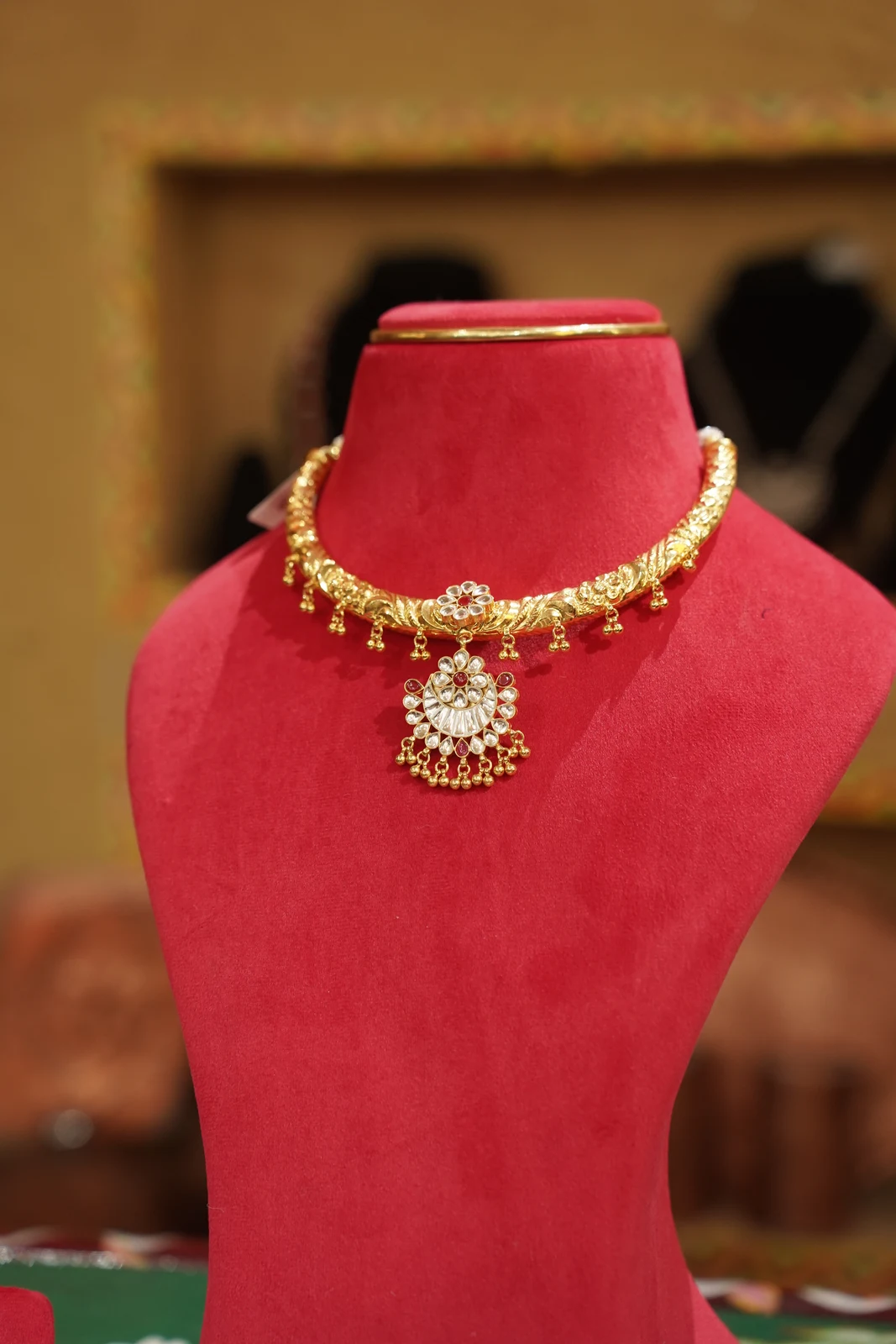
Ask useful questions before a repair
Choose someone whose relevant work you can discuss. Ask what they would need to inspect before recommending a method, and whether the materials or construction create uncertainties. A careful assessment may require seeing the ornament in person. A confident answer from a distant photograph is not always the most helpful answer.
Describe the problem precisely. A clasp that fails to close, an element that catches clothing and a cord that has frayed are different issues. Show where the problem occurs, but do not repeatedly bend or pull a vulnerable part to demonstrate it. Your photographs can help document the concern without adding strain.
Ask what would be changed, removed or added. Would the work affect a mark, decoration, finish or original attachment? Could a smaller intervention solve the immediate problem? What alternatives are available if wearing the piece safely would require a substantial alteration?
Ask for the proposed work in writing, including its limits and the expected appearance afterward. Agree on whether replacement parts, removed elements or remnants will be returned where feasible. They may help explain the object's later history even if they are no longer usable.
Explain that age and family significance are uncertain if that is the case. Do not ask a repairer to certify a regional origin from appearance alone. A repair invoice should describe the service actually provided; it should not become an invented certificate of heritage because a customer would like one.
For a fragile, unusually significant or complex piece, ask whether a specialist conservator's advice would be appropriate. The question is about finding relevant expertise, not assigning every inherited ornament to a museum. Sometimes the sensible outcome is to keep an object stable and choose a different piece to wear.
When the work is complete, check the agreed result together before storing or wearing it. Keep the invoice, date and new photographs with the original record. A repair becomes easier to understand when the next keeper knows why it was done and what changed.
Learn the materials before choosing a cleaning method
Traditional appearance does not identify composition. A piece may contain several metals, plating, cords, textile backing, adhesive or decorative inserts. Those components can respond differently to moisture and cleaning products. If the construction is unknown, begin with assessment rather than a household recipe found online.
The Canadian Conservation Institute's silver-care guidance warns that treatment must account for non-metal components, gilding, decoration and plating. A process suitable for one silver object may damage another. Its museum guidance is a reason to identify the object carefully, rather than a universal cleaning instruction for jewellery.
Do not treat a bright surface as the only acceptable result. Ask whether dark areas are tarnish, an intentional finish or something requiring further examination. Removing a deliberate contrast can change how a pattern reads. Repeated attempts to polish an unfamiliar surface may achieve shine while losing detail you wanted to keep.
Avoid testing a cleaner on a hidden area as if invisibility makes damage harmless. The reverse can contain markings, original construction or a sensitive component. A small concealed test still alters the object. Seek advice based on its materials and condition when the result is uncertain.
Record any existing hallmark or inscription with a photograph before cleaning or repair. Do not assume every number is a purity mark, or that absence of a modern mark dates an ornament. For present-day material enquiries, ask for documentation relevant to the particular piece rather than a broad assurance about a whole collection.
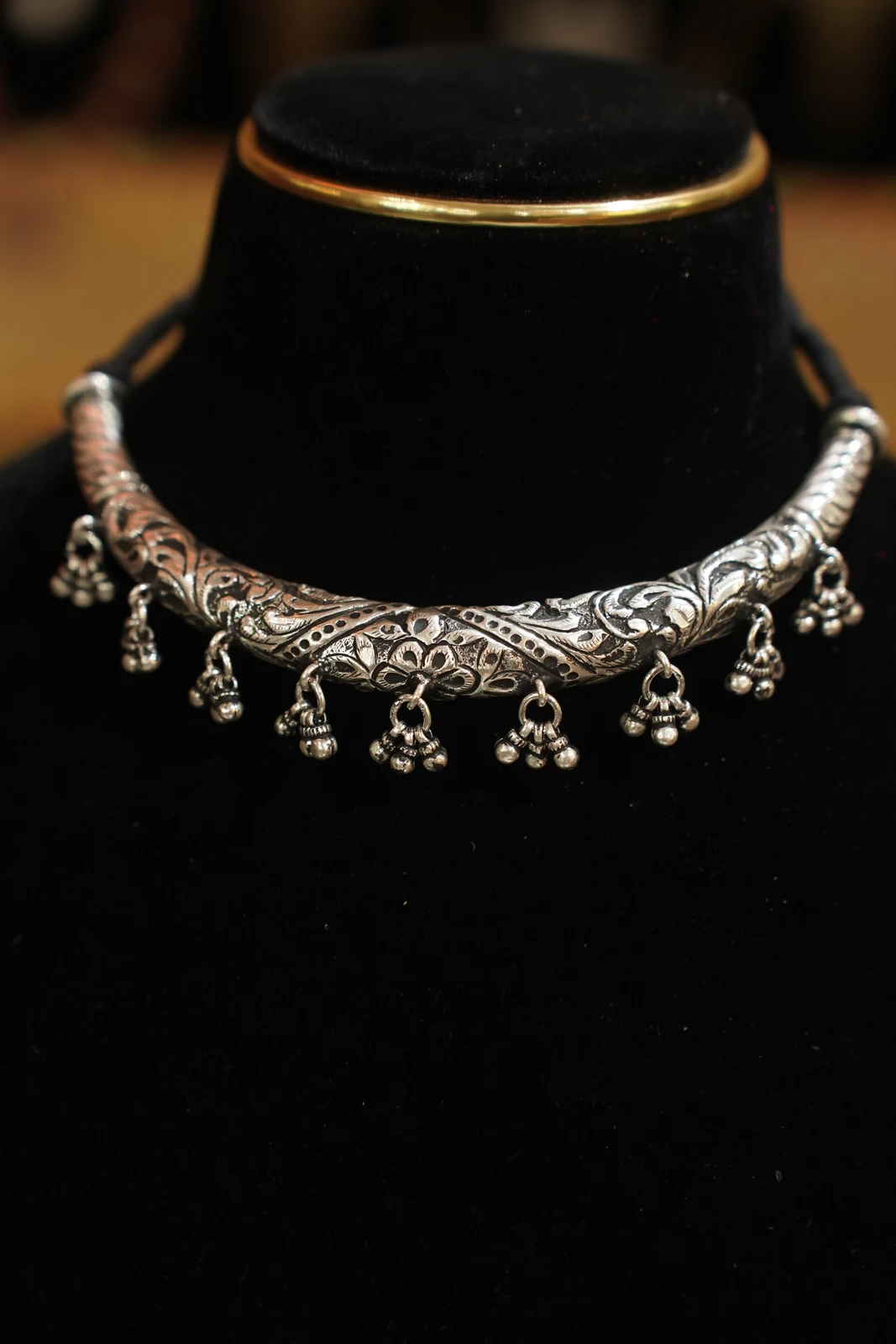
Make storage easy to maintain
Choose a place where the ornament can rest without being crushed, tangled or repeatedly moved to reach something else. Separate pieces so their edges and attachments do not catch one another. A small amount of thoughtful organisation is more useful than an elaborate arrangement nobody can maintain.
Support the form instead of forcing it into a convenient box. A rigid collar should not be squeezed to fit a narrow space; a long necklace should not be left hanging from a delicate connection merely because that display looks attractive. Ask about suitable support if the construction appears vulnerable.
Store loose components with the parent object, labelled and contained separately so they cannot scratch it. Keep sharp pins or detached fittings from pressing against soft backing or cords. Photograph how the parts were found before trying to reconstruct their arrangement.
Choose wrapping and storage materials suitable for the identified object. The Canadian Conservation Institute explains in its silver-tarnish resource that sulphur-containing gases cause silver to tarnish and that cleaning can remove some silver. Prevention and appropriate storage therefore matter; repeatedly polishing a piece is not a substitute for considering its environment.
Keep a brief inspection habit. When you open the box, look for newly loose parts, a change in a cord or an area that appears different from your last photograph. Do not turn the inspection into repeated handling of every delicate attachment. Note the concern and seek advice before wearing a piece whose condition has changed.
Keep storage information private. A useful family record need not circulate details of where valuable possessions are kept. Give access only to the people who need it, and distinguish the practical inventory from the version of the story you might share publicly.
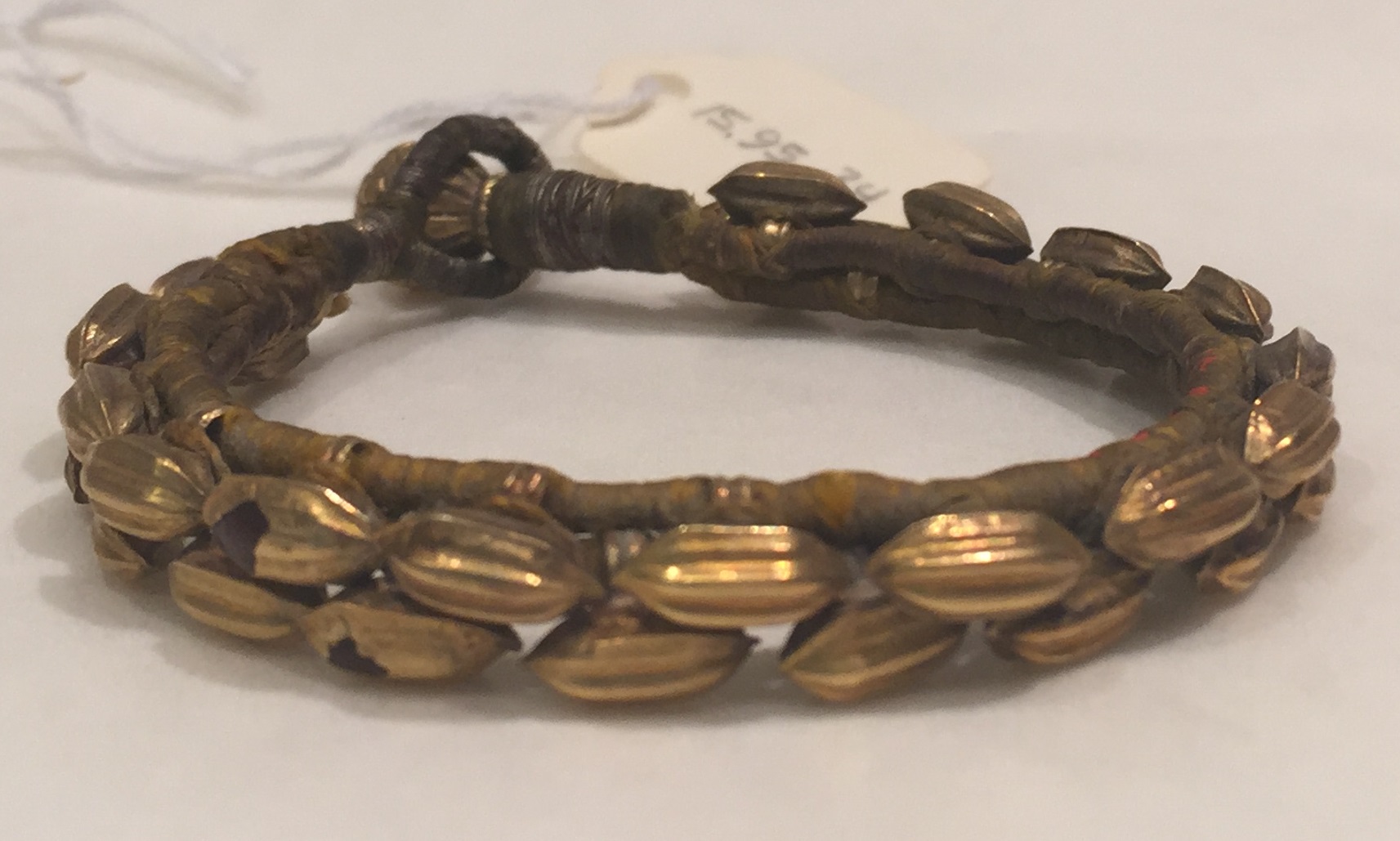
Wearing an heirloom can be a considered choice
If assessment indicates that an ornament can be worn, try it calmly before the occasion. Check how it sits with the intended clothes and whether movement catches an edge or pulls at a fastening. A successful portrait pose does not show how comfortable it will be through a long day.
Plan for the points when jewellery is most likely to be handled: changing clothes, adjusting a neckline, travelling and putting it away afterward. Decide who can help with a fastening if needed. Avoid hurried improvisation with an unfamiliar piece while everyone else is preparing to leave.
You may decide to wear only one inherited ornament and choose contemporary pieces around it. There is no obligation to reproduce a complete old photograph or a relative's whole jewellery arrangement. A quieter combination can make the heirloom easier to notice and more comfortable to manage.
Equally, keeping it unworn can be a caring decision. Fragility, personal comfort or the owner's wishes may make another option preferable. A family photograph, a written account or a newly chosen ornament can accompany an occasion without requiring an old piece to bear more strain than it should.
Lending needs a clear conversation
When someone asks to borrow an heirloom, affection should not replace practical agreement. Discuss which piece is being lent, for which occasion and when it will return. Establish who will transport it, help fasten it and keep it safe when it is removed.
Show the borrower the condition photographs and any known handling concerns. Agree that they will not arrange cleaning, repair or alteration without asking. A well-intended polish or adjustment can still produce an unwanted change. Make the limit clear before the piece leaves your care.
If the ornament is unsuitable for travel or wearing, explain the condition concern directly. Offer an alternative only if you want to. A refusal does not need a judgement about who deserves a family possession; it can simply reflect the responsibility of its current keeper.
After return, check the object together and update the record if something changed. Mention concerns promptly and calmly. The purpose is to keep the piece and the relationship in good order, rather than make borrowing feel like a test somebody is expected to fail.
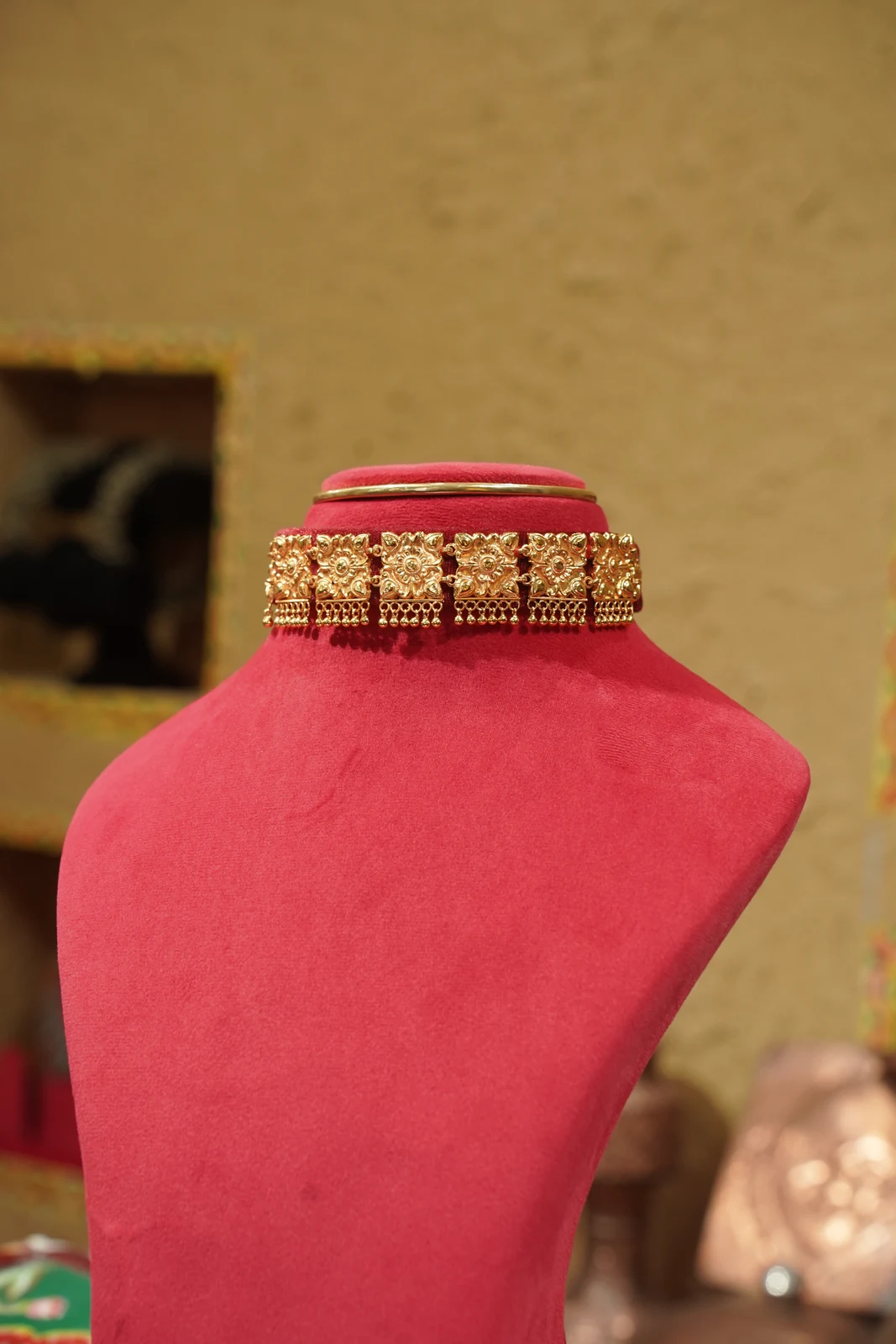
Write a handover note the next person can use
A handover note should help someone who never met the original wearer. Start with a plain description and a photograph reference, then record how the piece came to you. Identify which details you witnessed, which were told to you and which remain uncertain.
Name significant wearers and occasions only with an appropriate basis. An approximate date can be written as approximate. If a photograph prompted an identification, keep a copy of it and explain who recognised the ornament. Avoid allowing a caption's confident wording to outrun the underlying account.
Include the practical history: assessments, repairs, replaced parts and any cleaning advice received for this object. Attach copies of relevant documents, while keeping private financial details restricted if necessary. The next person should not have to rediscover a known weakness in the clasp.
Describe your wishes separately from the object's history. You might hope it will be worn, kept together with its earrings or offered to a particular relative. Those are wishes to discuss openly, not facts about what has already been agreed. Where ownership decisions have legal significance, a personal note is not a substitute for suitable formal advice.
Explain why you kept it in your own words. A short honest account is enough. You do not have to claim that it represents every woman in the family or an entire region. The next keeper can understand your attachment more easily through one specific memory than through a sweeping declaration.
Leave room for the next person to add their own dated note. A handover record can grow as a piece is worn, repaired or passed along. Keeping earlier entries intact makes that growth visible, so the newest explanation does not erase what came before it.
Think carefully before redesigning
Redesign can make an unworn piece usable, but it may also remove features that another family member recognises. Discuss the proposal before work begins, especially if ownership or expectations are shared. Ask whether a removable adaptation could meet the same need without permanently changing the ornament.
If you choose a permanent alteration, document the original thoroughly and keep any surviving components where practical. Record the reason for the change without apology or invented tradition. A modern wearer can have a legitimate preference while still acknowledging that the object will be different afterward.
Consider leaving one recognisable element intact, if the design and condition allow it. This is a creative possibility to discuss with a professional, not a rule every heirloom must follow. Sometimes retaining the whole object and commissioning something separate will satisfy more people than trying to reconcile incompatible wishes through one redesign.
There is no single correct future for every inherited ornament. Care involves knowing what you have, understanding the limits of that knowledge and being clear with the people who share its significance. More than silver, an heirloom carries a responsibility to make the next decision thoughtfully—and to leave enough of a record that the person after us can do the same.
Explore the current Hansuli jewellery collection
Ask Hansuli about a specific design, fit or material description