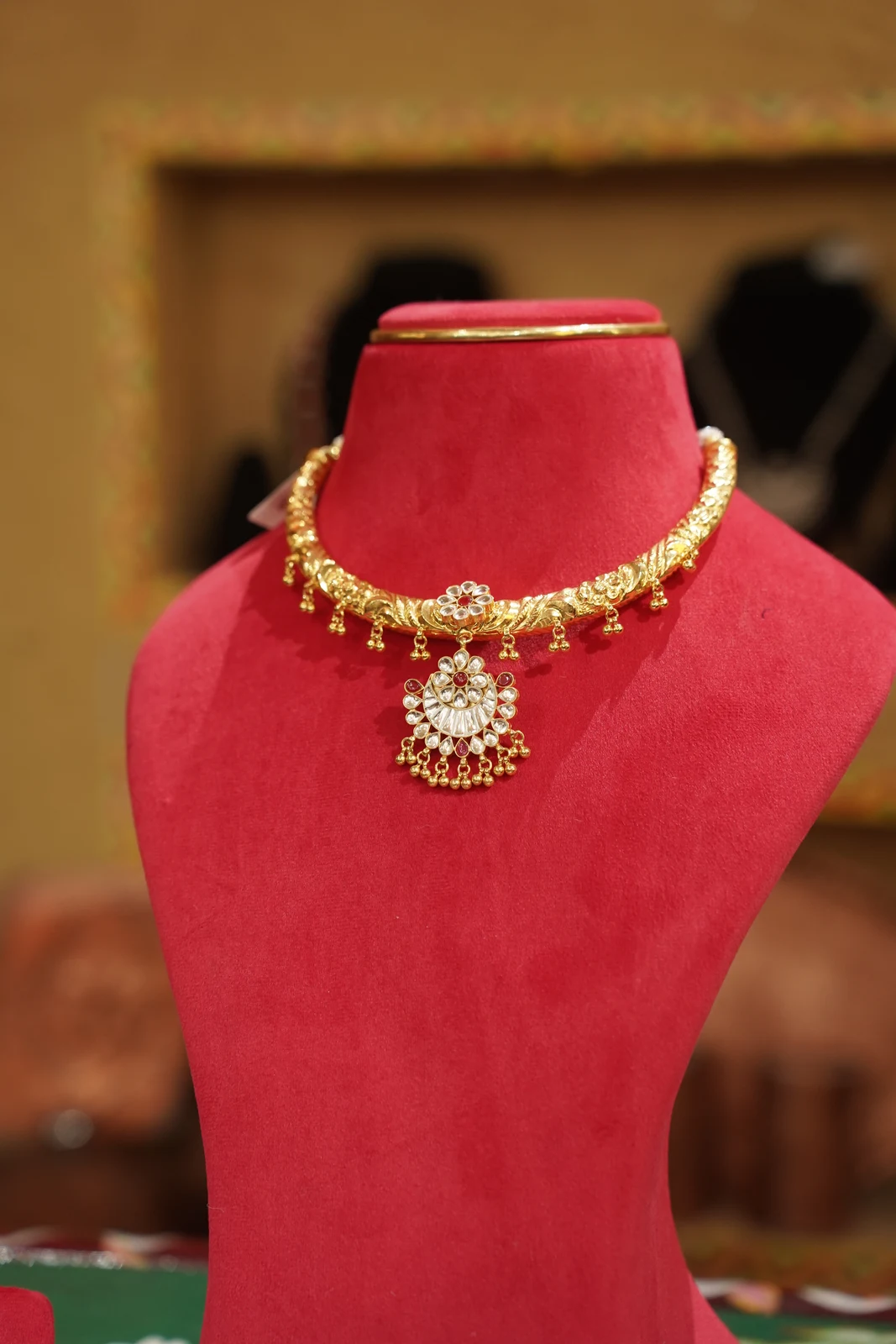
This proposed manifesto connects Hansuli with cultural learning, clear product information and contemporary wearability. The founders’ personal story and operational maker-support details remain for owner confirmation.
This proposed manifesto describes a purpose for Hansuli: to bring Uttarakhand's jewellery heritage into a conversation with the present: to help people recognise traditional forms, ask about their stories and find ways to wear them today. Preserving that heritage calls for more than attractive photographs. It calls for clear product information, respect for the people who hold cultural knowledge and an honest account of what a contemporary jewellery brand can contribute.
This article sets out that purpose as a manifesto for review. The founders' personal account of how the business began will be added in their own approved words. Until then, the useful question is what the name Hansuli should stand for in practice. A customer should be able to see that answer in the way a design is described, a question is handled and a story is shared, rather than being asked to accept a grand statement without detail.
A name that begins with an ornament
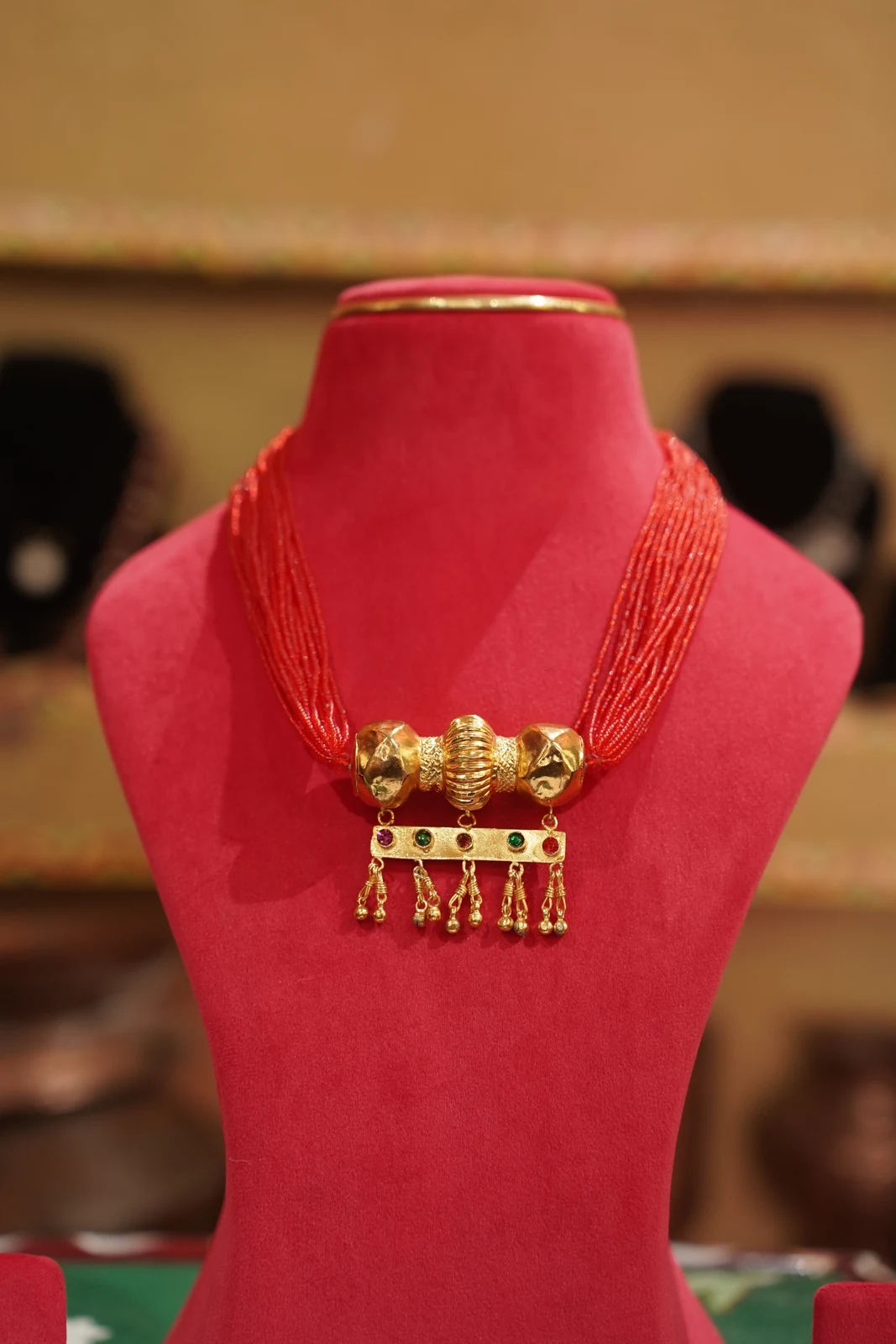
Hansuli is both a jewellery name and a brand name. Indian Family Jewels records Hansuli among the names for the hasli collar form. The ornament belongs to a wider Indian history; a business using its name should make room for that history rather than imply that the business owns it. Naming the connection clearly gives a visitor a sensible starting point.
Someone may arrive looking for a necklace shape they remember from a family photograph. Another person may be searching for a store in Dehradun. A third may have heard the word at home without knowing how to spell it. Those are different needs, and all deserve a useful answer. A heritage brand can explain the object, identify itself clearly and let the reader move between cultural learning and shopping without confusing the two.
The name can also be an invitation to look more carefully. What is the shape of the piece? What makes it a collar rather than a chain? Which local names does a family use? Such questions bring a familiar ornament out of the category of something merely old. They turn it into something that can be described, compared and understood. That is a modest beginning, but it is one a reader can act on immediately.
What does preserving heritage actually mean?
Preservation can sound distant, as though it belongs only in an institution or an archive. For jewellery, it can begin with a record of an object and the people connected to it. A photograph with an accurate name, a remembered occasion written down with permission or a clear explanation of a form can prevent useful knowledge from becoming harder to recover. A brand's journal can help readers take those steps.
The physical ornament is one part of the work. The language surrounding it is another. A family may use a spelling that differs from an English catalogue, or distinguish two pieces that an online article groups together. Instead of treating that difference as a problem to remove, a careful account can record it. Explaining variation makes a guide more helpful to a reader who is trying to connect what they see online with what they hear at home.
Preservation also means keeping uncertainty visible. A remembered date is not necessarily a documented date. A contemporary design can be inspired by a traditional form without being an exact reconstruction of an identified historical object. Readers should be able to understand that distinction. When a business describes an interpretation honestly, the design has room to stand on its own merits rather than rely on an invented pedigree.
Learning from people without speaking over them
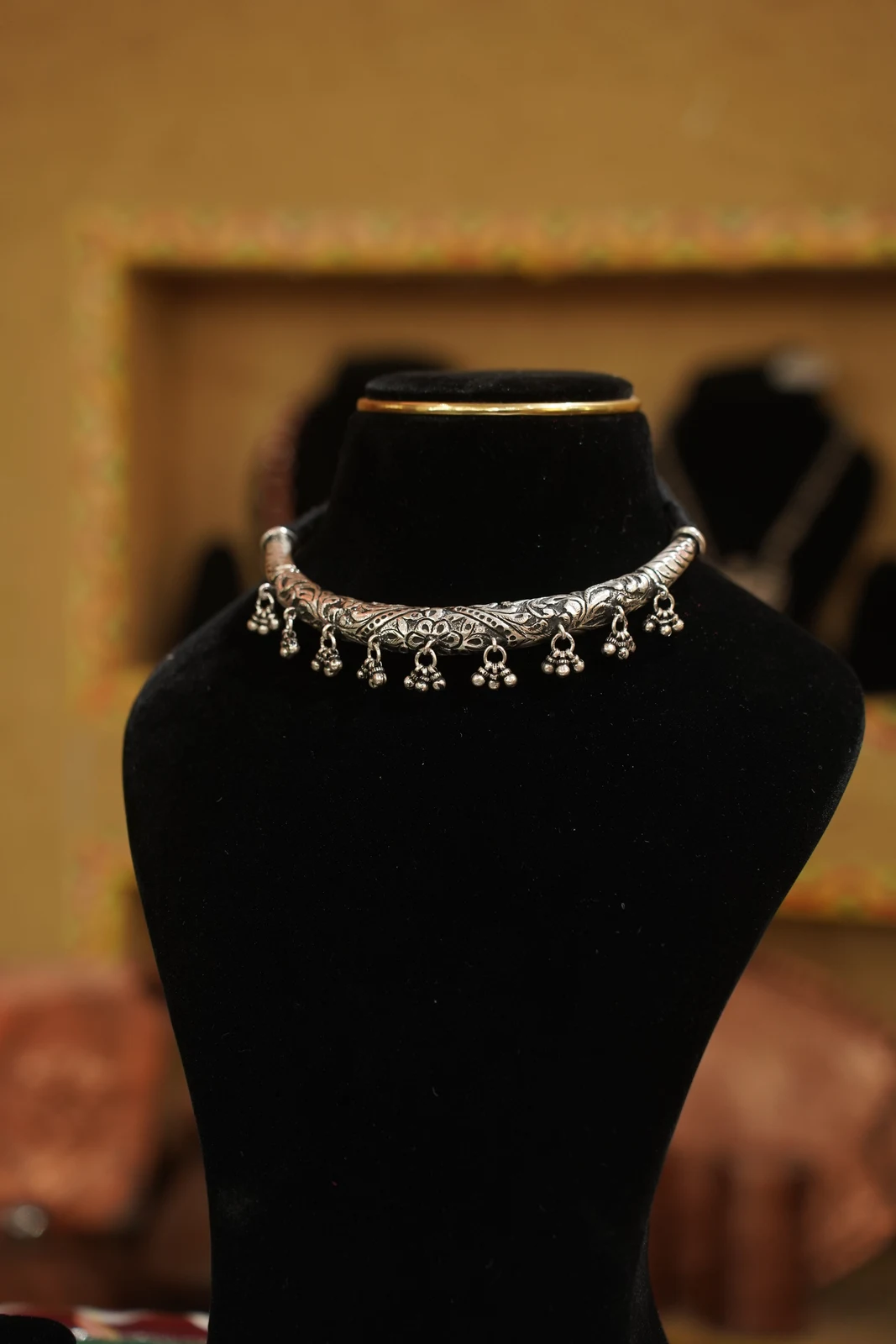
Garhwal and Kumaon are not two uniform jewellery boxes. Within them are families with different experiences, preferences, resources and memories. A useful brand story should leave space for that range. It should not turn one person's account into a rule for every household or assume that an ornament has a single meaning simply because a familiar explanation is repeated online.
The way a conversation is held matters. Ask a person which object they want to talk about and what they are comfortable sharing. Let them use the name they know before offering a catalogue spelling. Ask about the specific occasion, wearer or maker they remember. Those questions make it easier to preserve detail. They also give the speaker a chance to correct an assumption before it reaches an article or a caption.
Consent should continue after an interview. A person who agrees to a conversation has not necessarily agreed to having a portrait, a private family event or a full recording placed online. Explain the intended use and ask what may be quoted or photographed. Where an account is personal, let the contributor review how it is represented. Cultural knowledge becomes easier to share when people retain a say in the sharing.
Craftsmanship needs a concrete description
The word craftsmanship should help a customer understand a piece. It loses much of its use when it appears as a decorative label on every page. A stronger description identifies something specific: how components are joined, what can be observed in the finish, how a fastening works or which process a maker has confirmed. These details can give the reader a real reason to appreciate skilled work.
A product photograph can show a pattern, an edge or a fitting. It cannot by itself establish the whole manufacturing process. A shaped surface does not prove that every stage was completed by hand, and a traditional silhouette does not establish where it was made. If the journal tells a making story, it should be based on the people and records involved in that particular piece, with their permission to share the account.
Supporting makers is likewise a commitment that needs explanation. A future account should identify what the relationship involves rather than use a vague assurance. Is there a direct commission, a repeat order, paid design work, a training arrangement or another specific form of support? The details and the maker's perspective are what make such a statement meaningful. This manifesto leaves those operational claims for the founders and makers to confirm.
Bringing a traditional form into daily life
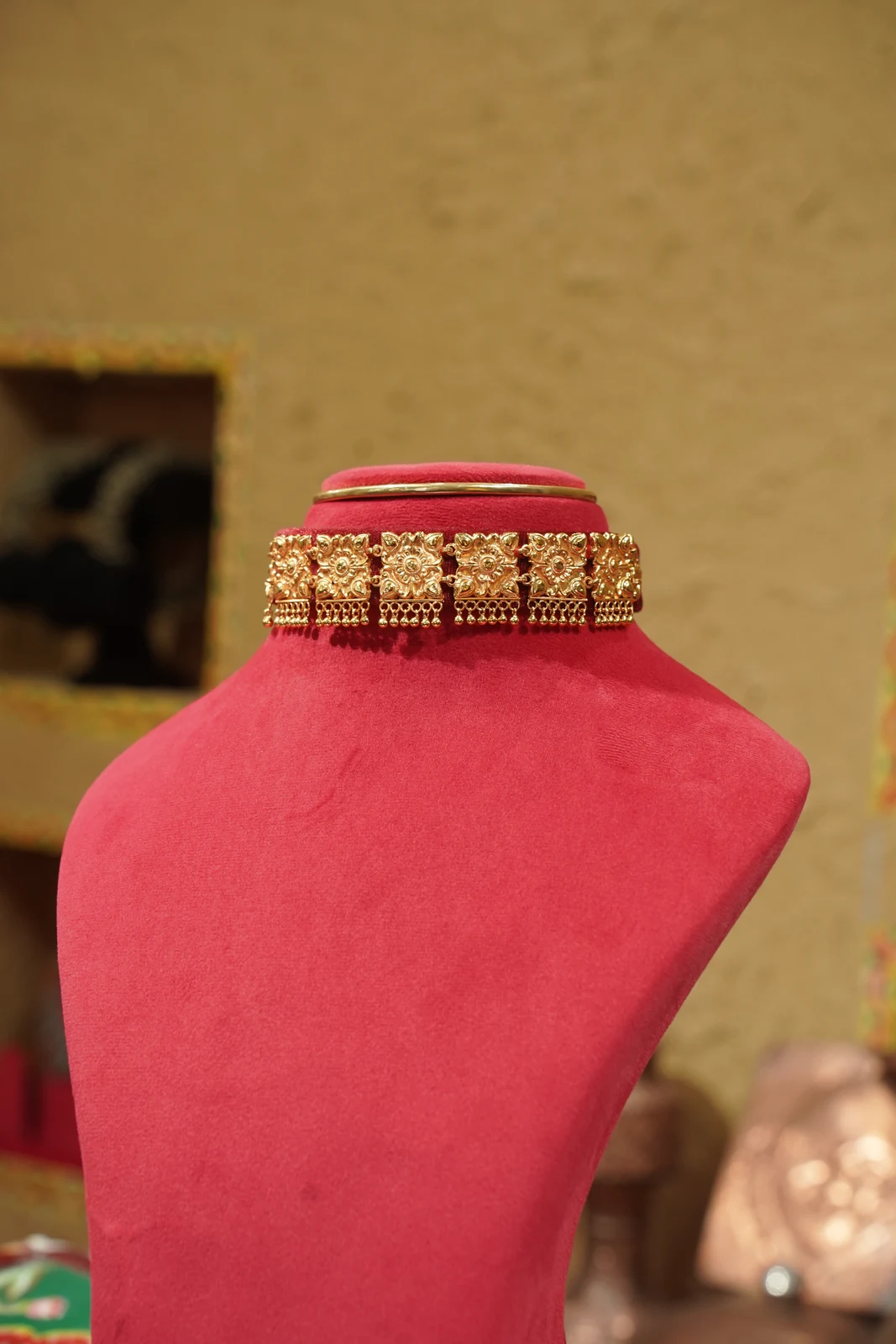
A young wearer should not have to choose between cultural connection and the clothes they actually enjoy. A collar can be considered alongside a shirt, a kurta or a simple dress. An earring can become part of a familiar daily outfit. The point is to examine proportion, movement and comfort, then choose a combination that feels usable. A living wardrobe can make space for heritage without becoming a costume.
That approach also makes room for different levels of involvement. Someone may borrow a family piece for one occasion. Another person may begin by learning the name of an ornament. Someone else may choose a contemporary design because an inherited piece is too fragile to wear. These choices do not need to be ranked as more or less authentic expressions of identity. They can all create an opportunity to ask a better question about the form.
Contemporary interpretation should be named as interpretation. Changing scale, fastening or decorative emphasis may make a design better suited to a particular wearer, but it does not automatically make it a historical replica. A clear description can explain what was kept, what was changed and why. That allows the customer to appreciate the new object without being given a misleading account of the old one.
Clear information is part of the experience
A beautiful page should still answer ordinary questions. What is the material of this specific product? What are its dimensions? How is it put on? Is the photograph showing the exact design or a related example? Can the seller clarify a finish or a fitting before an order? These are not small distractions from a heritage story. They help the buyer decide whether the piece will suit their life.
Appearance and material need to remain separate in a description. A gold-coloured surface is a visible characteristic; a gold-content claim needs an appropriate specification. Similarly, an antique-style finish describes an appearance rather than a proven age. Accurate language protects the customer's understanding and gives the design a fairer presentation. It also prevents the cultural narrative from being used to blur practical details.
Where information is missing, a useful response is to check it rather than replace it with a broad promise. The journal can explain what a buyer should ask, while the product page should hold the answer for the actual item. Keeping those roles clear reduces repetition. A reader looking for cultural context can enjoy an article; a buyer looking for a measurement can find the measurement without reading a long brand story first.
Stories should add something worth keeping
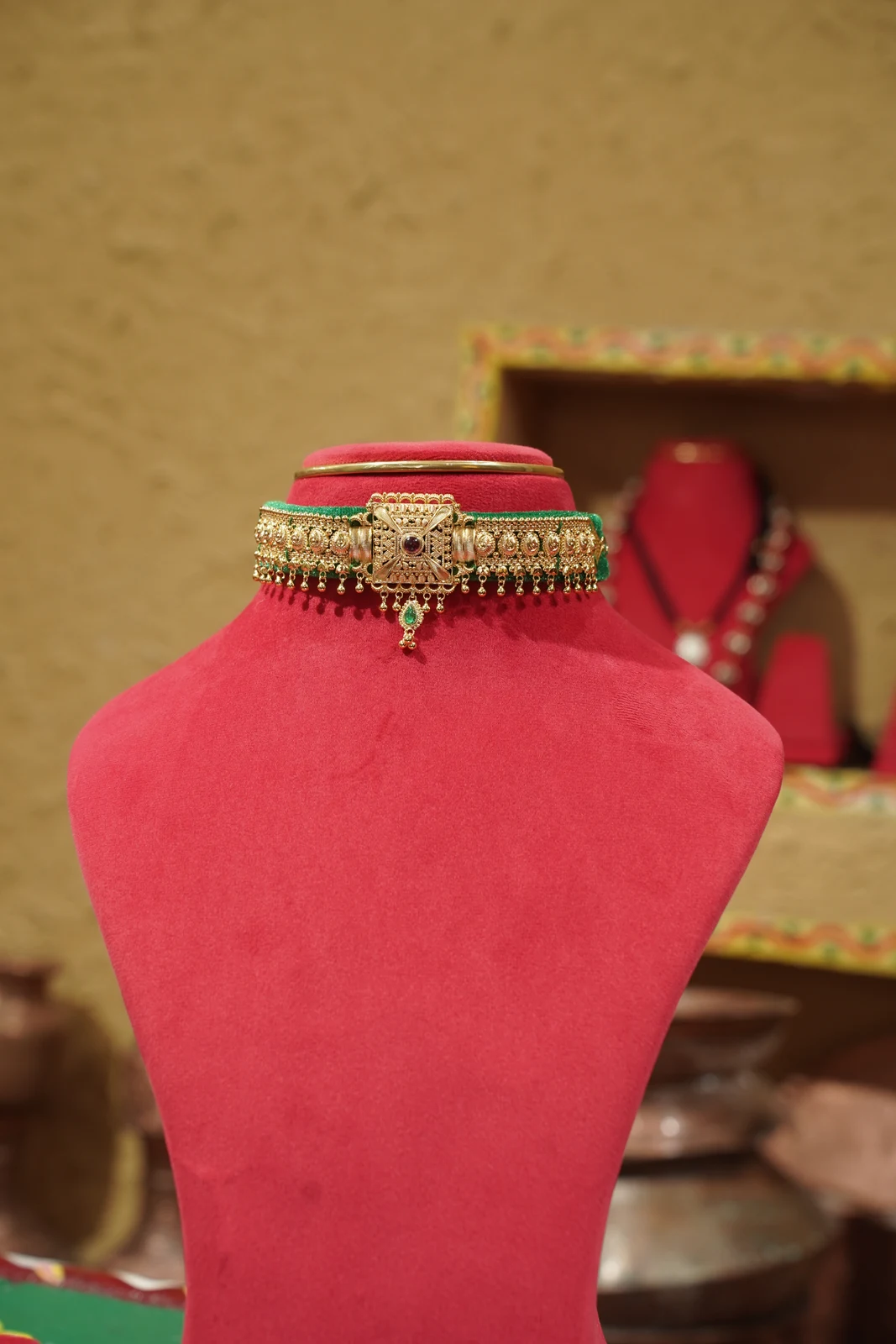
The purpose of a heritage journal is not to attach the same emotional paragraph to every ornament. One article can explain a name. Another can help a family record a memory. A third can distinguish decorative processes or offer a bride a comfortable way to plan an outfit. Each should leave the reader with something they did not have before: an answer, a method, a comparison or a question worth asking.
Original contribution does not have to mean an extraordinary discovery. It can be a well-designed object record, a set of thoughtful interview questions or a clear explanation of why a general museum example cannot prove the origin of a family piece. Those tools help readers make their own knowledge more useful. They also make the journal a place to return to when a different jewellery question arises.
Sources should be offered as part of that usefulness. If a museum record supports an identification, let the reader see the record. If a statement comes from a contributor, explain whose account it is and the scope of the permission. A source link should support the nearby claim, not merely make a page look researched. Careful attribution allows someone else to follow the thread and decide how much confidence to place in it.
The role of family memory
Family jewellery can bring affection, but it can bring other feelings too. A person may remember inconvenience, expense, disagreement or a piece they never enjoyed wearing. A responsible brand story need not remove those experiences to preserve warmth. Listening to them can give a fuller picture of how ornaments fitted into a person's life. A tradition becomes easier to understand when the people involved are allowed to have individual opinions.
Nor should every inherited object be given a sentimental role its owner does not feel. Some pieces are cherished; some are kept because nobody has decided what to do with them. A reader may want to repair, wear, document or simply identify one. Practical guidance can meet them at that point. It is more generous to offer options than to tell a person what they ought to feel about something in their own jewellery box.
For a piece with a strong family story, the next step may be to keep that story with the object. A short note can identify the known owners, an occasion and any uncertainty. Copies can be shared with trusted relatives. If the piece changes hands, the note can travel too. The brand's contribution can be to make that process easier, while the family remains the keeper of the experience itself.
What should the next generation be able to carry forward?
Ideally, the next wearer receives more than a product name. They can recognise the form, understand its material information and know where to ask about care or fit. If it is an inherited object, they may also receive the names and memories attached to it. If it is a new interpretation, they should be able to understand that it is new. Both kinds of knowledge support a more considered relationship with jewellery.
The work can be shared across generations. An elder may contribute a remembered name. A younger relative may photograph an object clearly or organise the record. A maker may explain a fitting or a decorative process. None needs to provide every answer. Bringing these contributions together is often more useful than appointing one person as the voice of a whole culture.
There is room for enjoyment within this care. People can like a design because its line works with a neckline or because it reminds them of a familiar photograph. They do not have to produce a cultural argument before wearing it. The richer information is there when they want to look further. A good heritage brand makes that further look welcoming, without turning affection into a test.
A purpose that can be reviewed in practice
The purpose described here should be assessed through specific actions: clearer descriptions, carefully attributed articles, respectful contributions and designs that people can evaluate for themselves. The founders' story will give those commitments a personal beginning once their account is supplied. The maker stories will give them practical detail once the relationships and processes are confirmed. Those additions should be real evidence, not decorative anecdotes invented to complete a page.
For now, Hansuli's heritage conversation can begin with the ornament and the reader. Look at the form. Ask what the name means in your family. Check the information about a piece you may wear. Keep a story with permission, and let another person add what they know. A brand can help make those steps easier. The tradition remains larger than the brand, carried by the people who continue to give it attention.
Explore the current Hansuli jewellery collection
Ask Hansuli about a specific design, fit or material description